

Books have become more temporary than permanent in my life. I used to think of them as stored wisdom that you hold onto for a lifetime. But either I have changed or the world around me has changed. Maybe both. I have increasingly begun to regard books as a transfer of knowledge more than an archive of wisdom.
I've had to downsize my home library several times in recent decades. It's difficult to let go of such objects. They hold meaning. They hold promise of the future, as well as reflections of the past. But we can't hold onto things forever. Maybe I've had to downsize a little sooner than most folks, and maybe this crossing is something we all must breach.
This process of letting go of my books has forced me to think carefully about what I want from a book.
I never find myself going back to my books to look through them. I keep them because of sentimental and personal value. The only times I've actually held one in my hands was when moving a bookshelf or moving apartment. In between they are dormant. What does that tell me about my relationship with these books? Is this more a consequence of the Internet rotting my brain, or just an honest reflection that I am not a veracious consumer of text?
What does this say about my value as a writer, if I am not so dedicated as a reader?

I used to write a lot for travel publications, and even back then I knew my heart wasn't in it. I kept trying to step sideways from the conventional editorial styles. My editors didn't like that. Truth is I didn't want to read most of what was being published in travel magazines or newspapers. I was ultimately giving editors what they asked for, instead of what I wanted to read.
Jay Griffiths, a talented journalist from the UK and author of Wild, changed my will to write forever. Her raw brutality on the page ended any desire for me to continue the wispy facade of light-hearted travel yarns. I was no more a travel writer than I was a ballerina.
As a writer I can only put pen to paper on matters I actually care about. Which is great for the “authenticity” so many readers desire, but terrible for the consistency that so many publications demand. I struggle to even send out my newsletters once a month.
To a great extent this is just how my ADHD brain works. I might scribble down an outline for a story, and in that process I unburden my brain of the imperative. The nuance and connections that live deeper within that idea are suddenly quietened by the process of shining a light on them. As I type these very words, I know I have only one shot to get them down into a coherent form. I must stick with it far enough in this moment such that future me will have sufficient gristle to edit later.

There's a difference between novels and cookbooks and photography books. They are not the same. They exist for different reasons. I totally understand why a novel might exist for decades or even centuries, and why someone may re-read that novel more than once. Someone else that is. Cookbooks are short lived entities by design. Publishers expect a new title to get three months on the shelf, unless there's a celebrity pushing the title for longer. Cookbooks follow trends in ways that I do not.
Consumers of cookbooks lean towards curating recipe more than collecting books.
It was not uncommon for folks of a certain generation to tear pages from a cookbook or magazine, and keep those treasured recipes safely collated into a scrapbook. Today we just take a photo of that page and index into our digital notebooks. The context of these recipes are often lost once separated from the original collection.
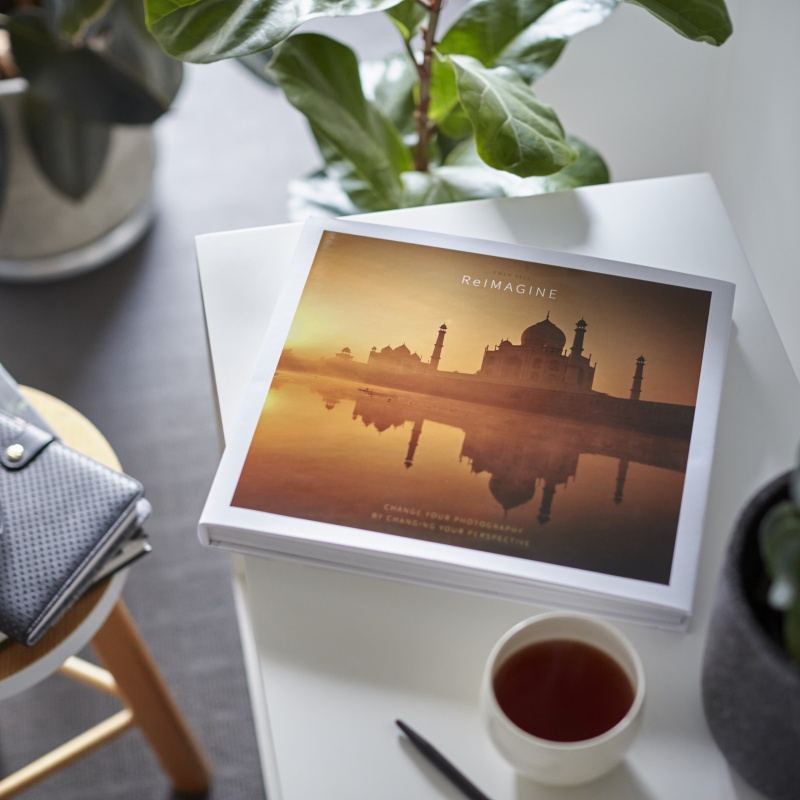
Some cookbooks strive for a grander existence, printed in large volumes that make it painful to throw away. These are part cookbook, and part lustful wanting. They are objects of art. Which brings me to photography books. In particular, the what and why, rather than the how. The art is evident when you feel something from the pages. A cookbook can be art. A bird book can be art. A collection of stickers in laneways can be art. Any time the photography draws you into a book, it's a success.
My favourite photography books have been indulgences, not merely instructors.

There's a difference between consuming books and making them. You feel differently about books when you're the author. You have to be a little bit detached about the process, and not get too caught up in the romance. It might be years of your life to produce, but your audience isn't a part of that. They're seeing the fruits of your labour, not the sweat. And that sweat really matters, it's an essential ingredient to making art.
Pulling a series of photos off image libraries and jumbling together into a book is not art. It's what happens when a publisher wants to make money instead of making books. The sweat and determination to push through roadblocks is how a book ends up being of value. That fact that someone still wanted to make their book, despite all reason and common sense, is what makes it special.
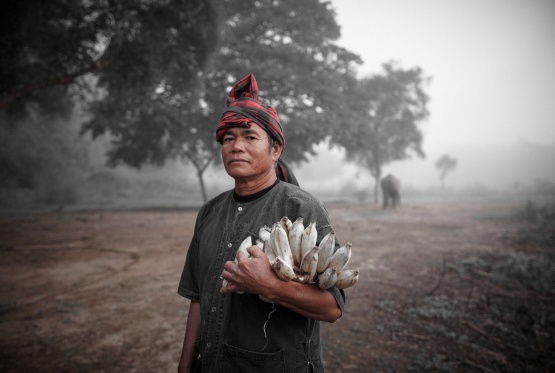
I now see "photography books" as an experience on the one hand, and a process of reflection on the other. And that's how I ended up with a zine instead of just blogging. I needed a deeper reflection on my photos, and to let the words flow from there.
Blogging is being suffocated by the modern internet and our busy brains. Reading a solitary article on a website doesn't feel like an experience these days. It's more of a distraction. I might click on a link from my social media to read something on a blog, something that took hours or days to draft and edit, and I might be genuinely impressed by the concept and expression in those words. But. Within seconds of consuming that blog post my brain has returned to something else and forgotten entirely that I even read the blog.
My hope is that a zine can be a experience. One that lasts long enough, and draws you away from other things for long enough, to leave you feeling rewarded and satiated.

I like the idea of a zine that is substantial enough to delve deeply into, yet short enough to feel accessible without restructuring your day. Sitting down with a collection of images and thoughts simply takes time to digest. This applies not only to reading the zine, but creating it.
In the process of creation I am finding my reward. I step into my recent work and get to know it a little better, and get to know my own creative mind a little better too. I start seeing the patterns beneath the images. I start questioning what is missing, as well as discovering what is hidden. It's a level of self-examination we rarely allow ourselves as photographers.
The end result is to build a time capsule that gets left on the shelf for someone else to enjoy. But it's a low cost creation compared to a book. It's not ten years worth of toil and stress to birth. It's a monthly expression that pulls on the threads on my life, and offers them to the world to take it or leave it. Rejection costs less with a zine.
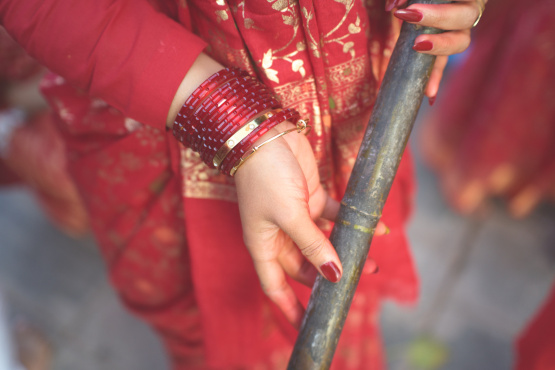
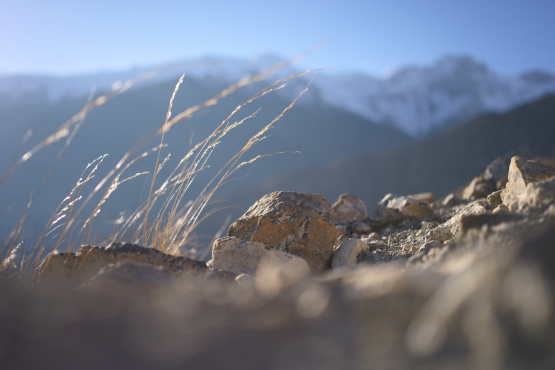
I can picture myself a decade from now, looking back on the contents of these zine editions and instantly falling back into those moments. They're not just a single photo, but a curation of images that express the feelings inside of me. They're optimistic. Maybe even idyllic. They're filtering for calm, in contrast the wider world around me. They're not gritty, because I don't need any more grit in my life thanks... but they are real. They're the best version of my world.
In years to come I think I'll be grateful to have immediate access to my very best.

The zines are low commitment for the reader as well. A book demands an investment of time that some of us struggle with. I'm looking forward to the “reply guys” telling me how they read two books a week and I just need to be a better human. Good for you. I'm not that guy. There are years I read zero books, just because. It's just how my brain is… and don't ever let someone tell you your brain should be any different.
I've had 55 years to get to know my brain and there's a limit to how much influence it will tolerate from myself, let alone random strangers on the Internet. It's important to recognise when you are genuinely letting yourself down, versus beating yourself up for something that isn't your choice to make.
I am a visual person. Not surprising after three decades as a fully grown photographer. I have struggled with words all my life, written or spoken. I have worked hard to overcome my limitations for both. I have not struggled to take photos however. I worked at that skill because I enjoyed it, and because it connects better with how my brain works. The camera feels natural to me. The pen is a struggle.
My zines are an attempt to find balance between the words and pictures. Balance for me. I'm hoping they resonate with others, but that is out of my control. I am focused first on creating objects of art that make me happy. If there is an audience for what I see as beautiful, then all the better.
– Ewen
PS, Please check out my regular photo zine here:
https://ewenbell.com/zine

Keep Reading
Join Ewen's newsletter for monthly updates on new photography articles and tour offers...Subscribe Here