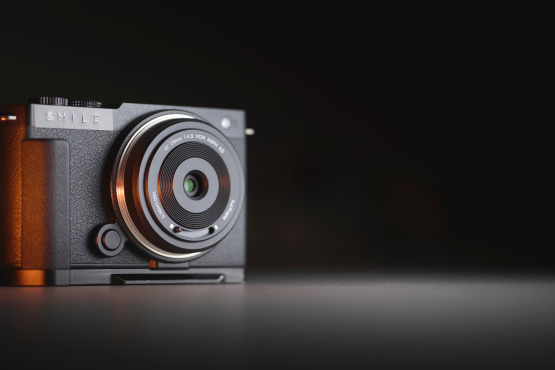



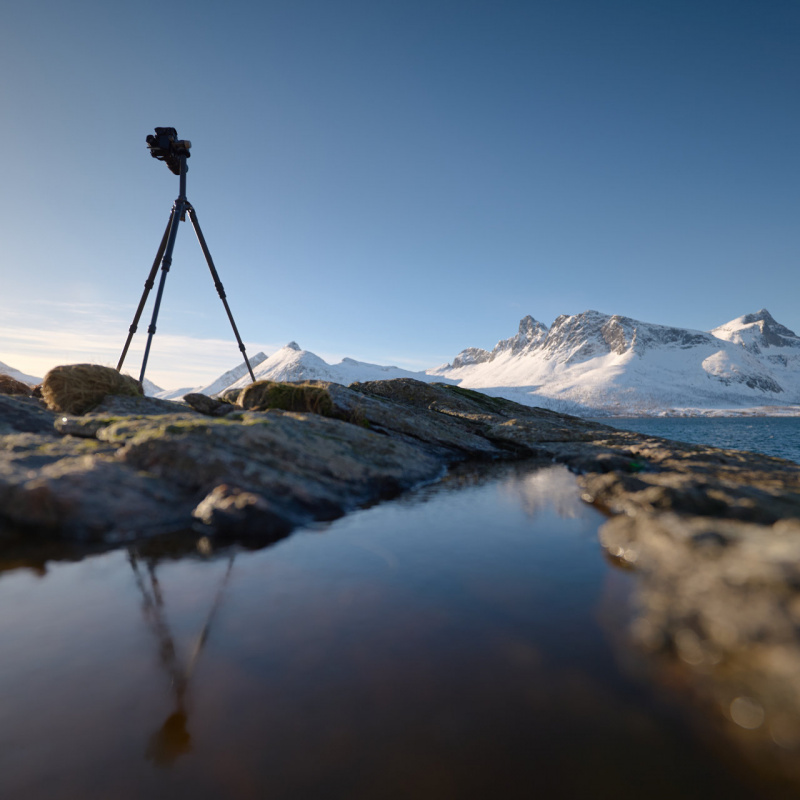
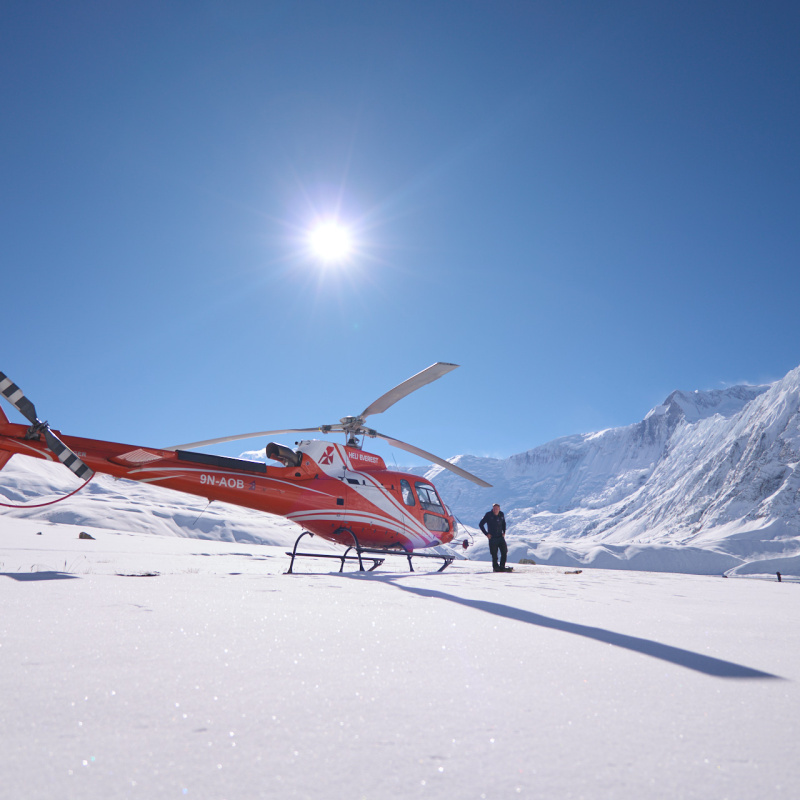
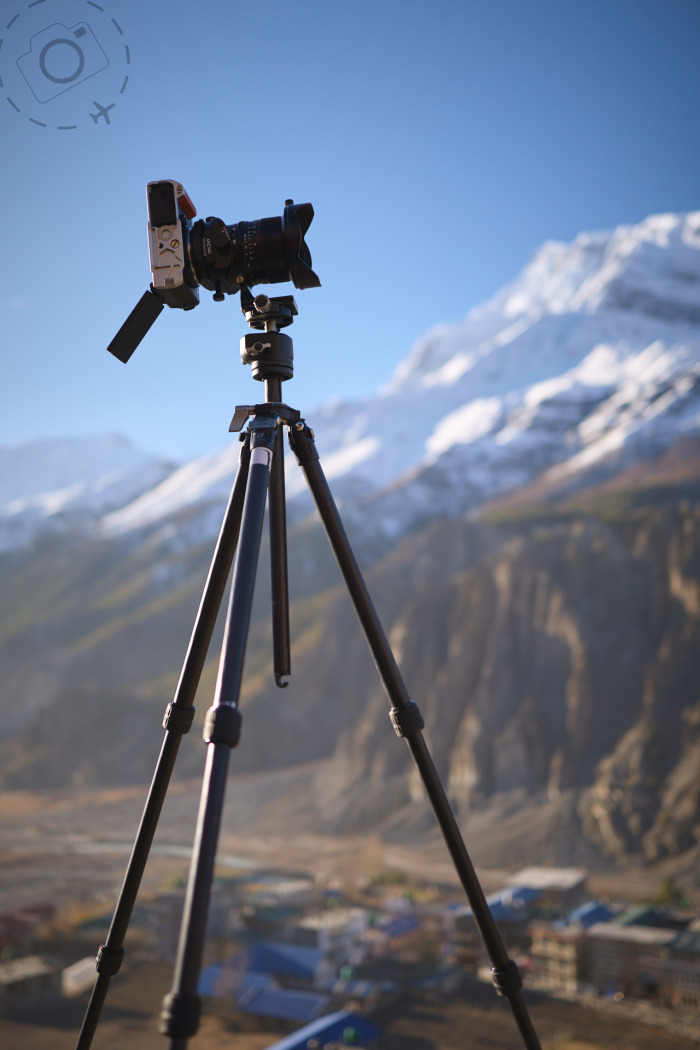
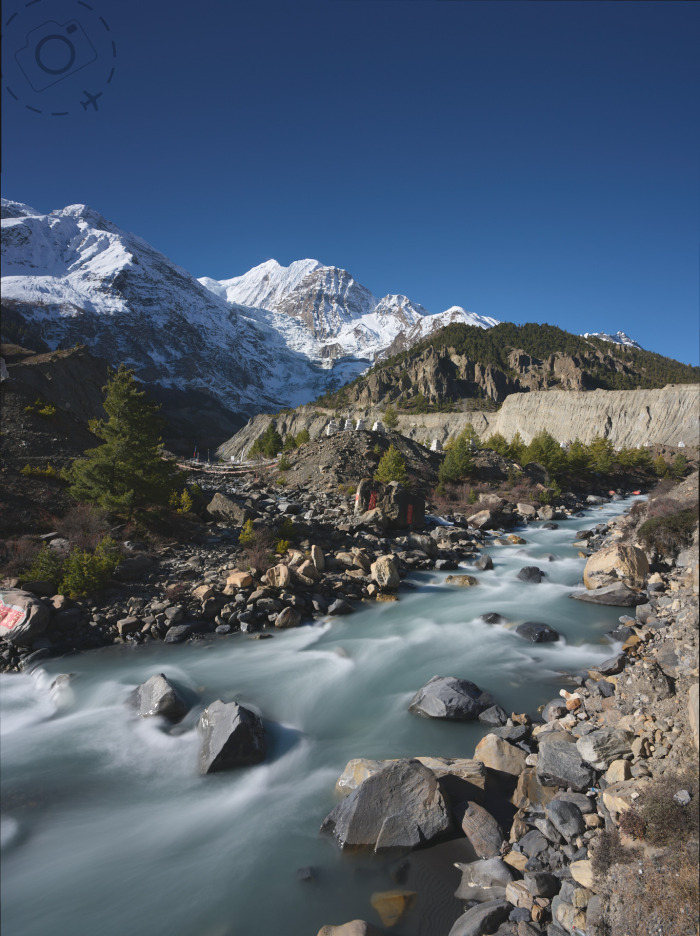
Tilt-Shift lenses are a unique offering for architecture and interiors, but they have a place in landscape photography as well. And that was my focus for this review. I took the new Laowa 24mm F2 Zero-D TS lens high into the Himalayas for a few weeks to see how it copes with real-world scenarios, and how well it captures the majestic scenery of Manang.
My interest in this lens is strictly for the Shift function. Tilt is not my thing, so I won't have a lot to say about that aspect of the lens. I like shift for minimising distortion in vertical captures, and for stitching together panoramas. You get a nice clean result when shifting a pano instead of pivoting a pano.
Design Features
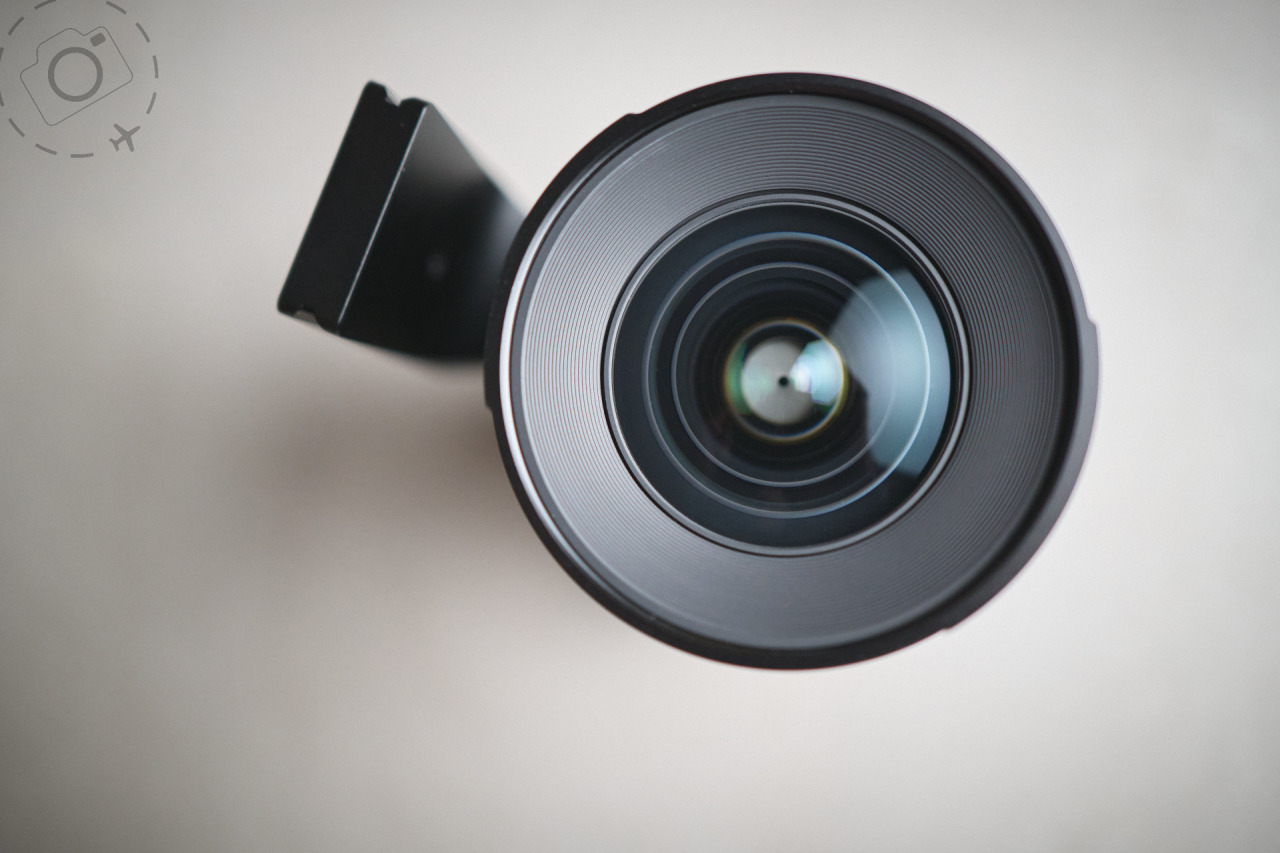
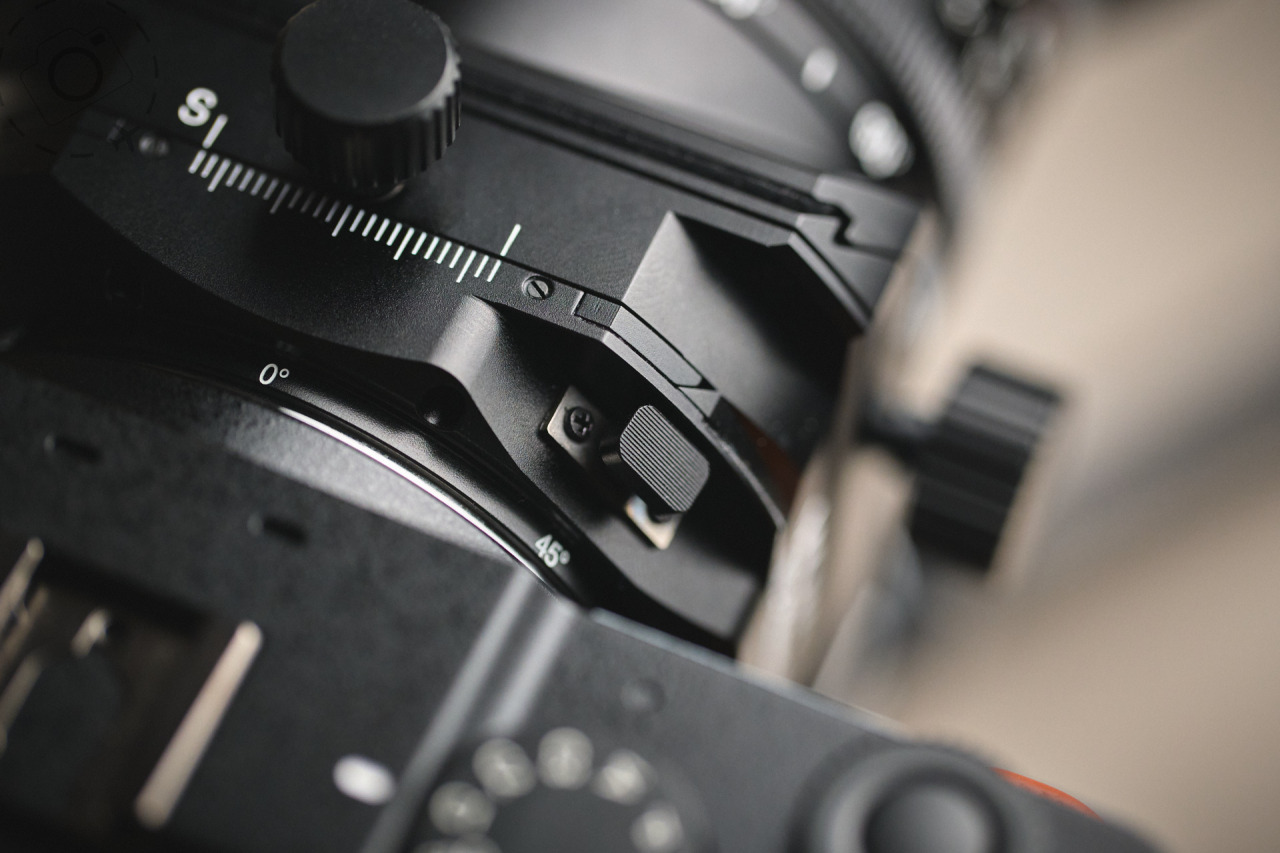
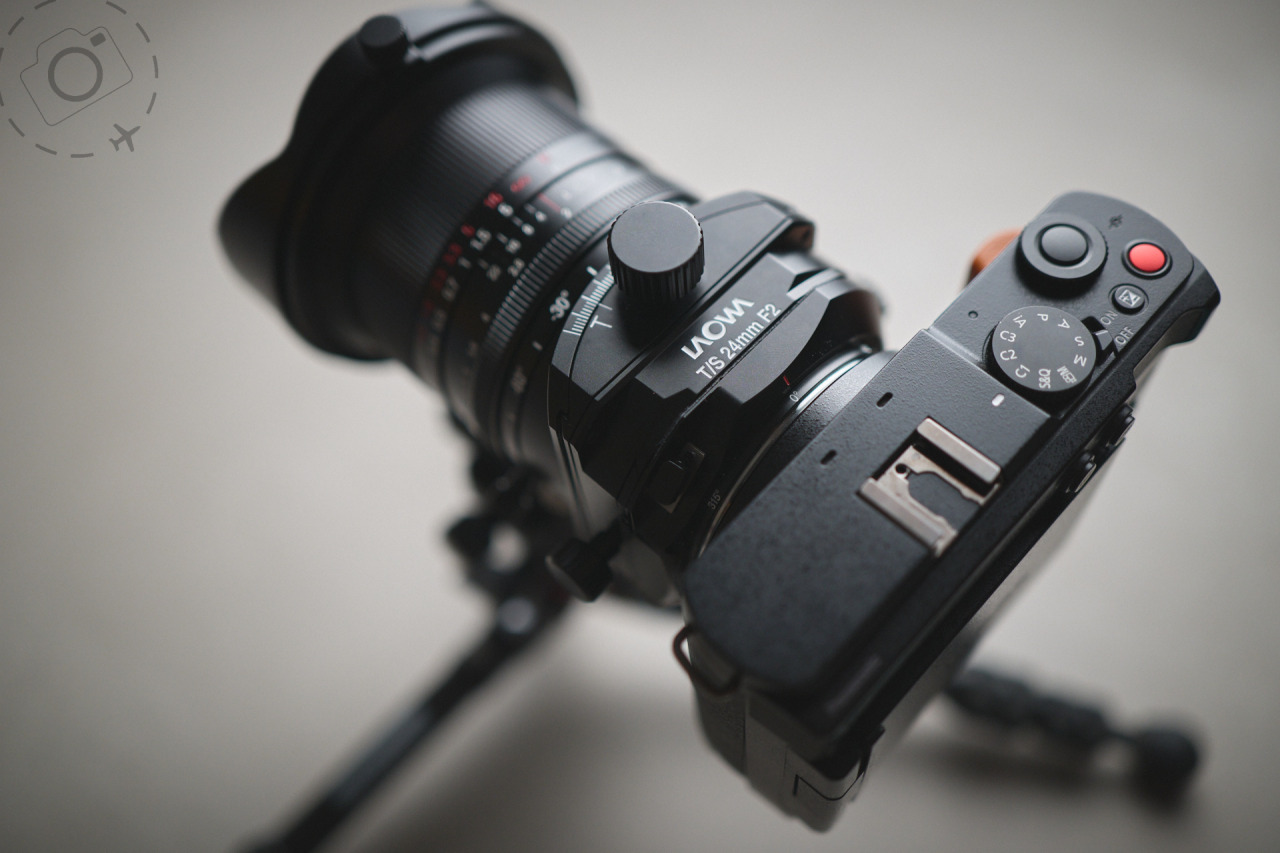
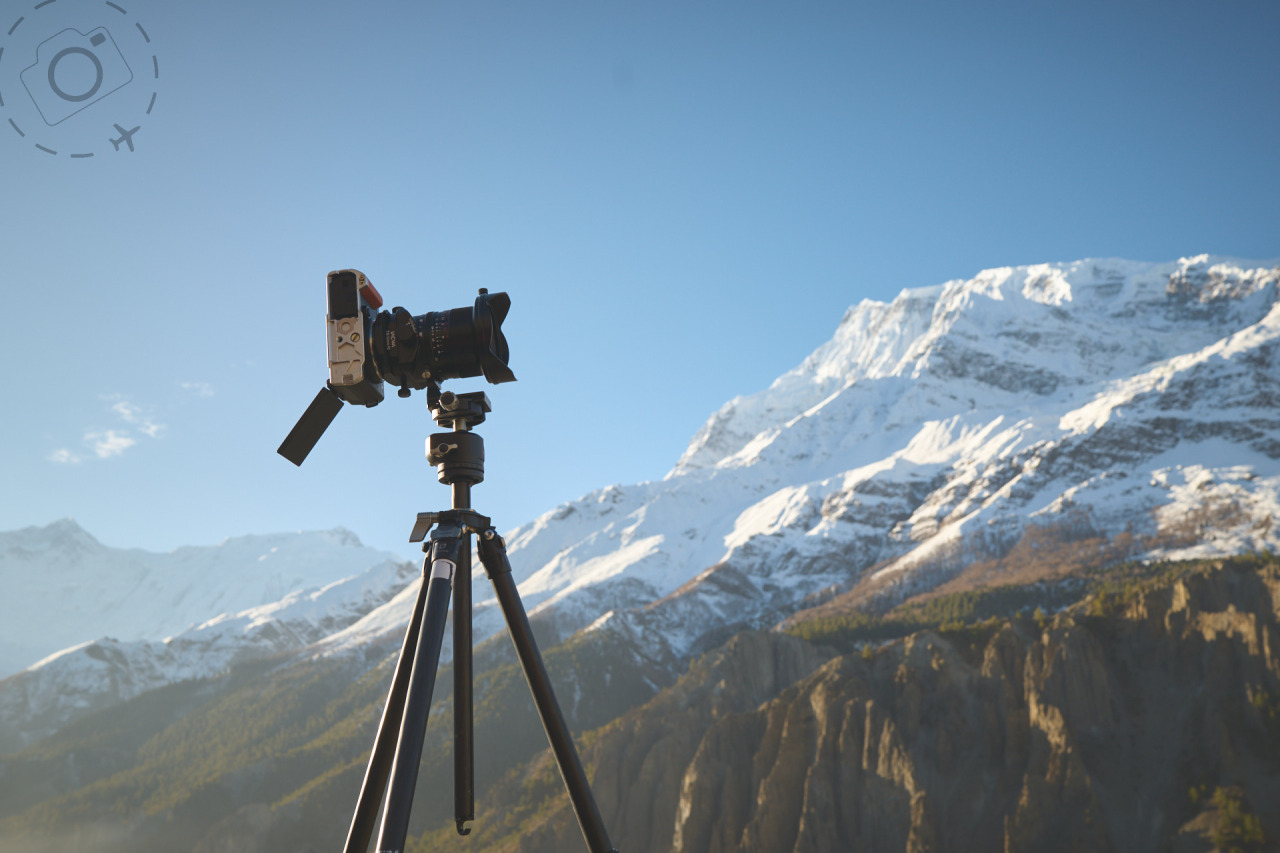
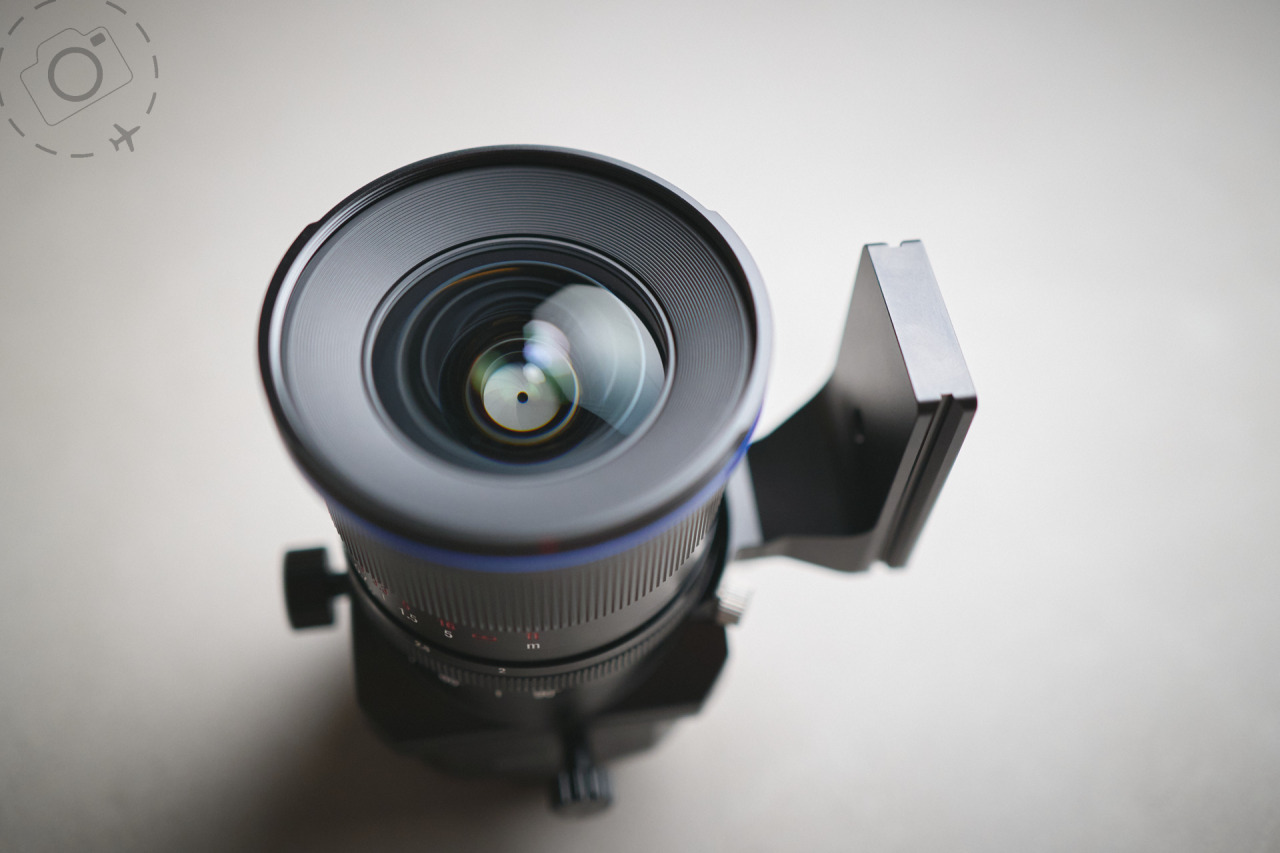
There's a handful of features on this new model that make it a stand-out. For one thing it's super compact for a Tilt-Shift lens, in part because it's built for mirrorless systems and not just an adapted DSLR design. There's a lot of attention to detail in the design, with precision controls for both Tilt and Shift, using geared movements that can be locked into position.
There's also an integrated tripod collar that rotates through 360°. I love this feature. Having the weight of this lens centrally positioned is nice, but even better to have freedom to rotate the collar to suit whatever shooting mode you need. The rotating collar can be removed for those who prefer a cleaner setup. The mount itself also rotates through 360°, so you can position the tilt or shift at any angle you need relative to the sensor.
The next major design feature is a 77mm filter thread on the front of the lens. Most Tilt-Shift lenses have bulbous glass at the front and are not remotely suitable for use with filters, but this model manages to deliver on a very convenient filter size. That's extra nice when shooting slow exposures for waterfalls or rivers, which is exactly my scenario in Nepal.
Maximum tilt on this model is 12°, and maximum shift is 12mm. That's very generous for a 24mm lens, especially something as compact as this one. In the field I was able to generate stitched images that exceeded the field of view I might get from an 18mm lens, only with a lot less perspective distortion.
Optical Quality
Shooting around F8 or F10 you get seriously sharp detail from this lens. It's impressive. There's no drop off in the corners either, it's clean and sharp. Opening the aperture out to F2.8 you do see some softness in the very far reaches of the corners, but it's still very nice in the middle of the frame. Shift-panoramas made with F2.8 looked very pleasing to me.
Opening out to F2 is less convincing though, with a softer result than I would want to use. On my travels I found myself avoiding F2 and sticking to F2.8. This lens would have been very convincing if they had limited the aperture to F2.8, so maybe there's a touch of over reach by pushing this as an F2 lens.
I did use the lens a lot for shooting into the sun, where I like to open up the aperture to soften any lens flare. At F2.8 the flaring is nicely feathered while still retaining detail where it matters.
In The Field
Having spent a few weeks on the road with this lens, I really grew to love it. It takes a while to get the hang of so many controls offered on a Tilt-Shift lens, but after a while your hand start to know where to find things before your brain does. I got into a habit of working out which plane I wanted to Shift for a panorama, and setting up the lens where I needed it. Only then do I focus on the angle of camera mount, which is a simple matter of holding down the mount-rotation release, and spinning the camera body into position.
I also appreciated little details like the felt-layer between the shifting plates keeps out dust and ensures smooth motion when dialling in the shift movement.
I was testing this L-mount version of this lens, which is compatible with models such as the Sigma BF and FP, Leica SL series, and the Lumix S9. Unfortunately the S1 and S5 series of camera bodies are not compatible due to the location of the camera grip on the body. The Laowa has also been released for Sony E-mount, Nikon Z-mount, Canon RF, Fuji GFX and Hasselblad XCD.
Value For Money
At the time of writing the Laowa 24mm F2 Zero-D TS is retailing online for US$1249, which is not cheap but also not crazy money for a Tilt-Shift. These are typically very expensive lenses, and in the case of this 24mm model there are a number of features that you won't see on other versions. It's good value for money and Laowa have achieved something a little bit special here.
I recently reviewed the TT Artisan 17mm F4 TS for mirrorless cameras, and while it was a great lens optically and selling at a killer price, it does lack a handful of refinements in the design. The very same refinements that I've listed here as features. If you need a Shift lens for slow shutter landscapes, there are very few options out there. If you need a Tilt-Shift for a Fuji GFX, the prices start to climb a lot higher than what Laowa are asking for this one too.
In short, this design offers great quality and excellent value.
Is 24mm Enough?
For interior shoots and architecture I'm not sure if 24mm will satisfy every photographer. Having used a 17mm TS lens for a while, I was very happy to employ that wider perspective in combination with the shift function. I will be testing this lens on some hotel shoots in the coming weeks, and will update this blog post then.
For landscape work I think the 24mm perspective is pretty good. I always want wider, but I also want the ability to pop ND filters onto the front. I had a set of OKKO Pro Magnetic filters on hand for this shoot, with their little base ring slotted into the Laowa 24mm TS. The Laowa lens cap is a bit flimsy to be honest, so slipping the OKKO cap into action made the setup much more enjoyable.
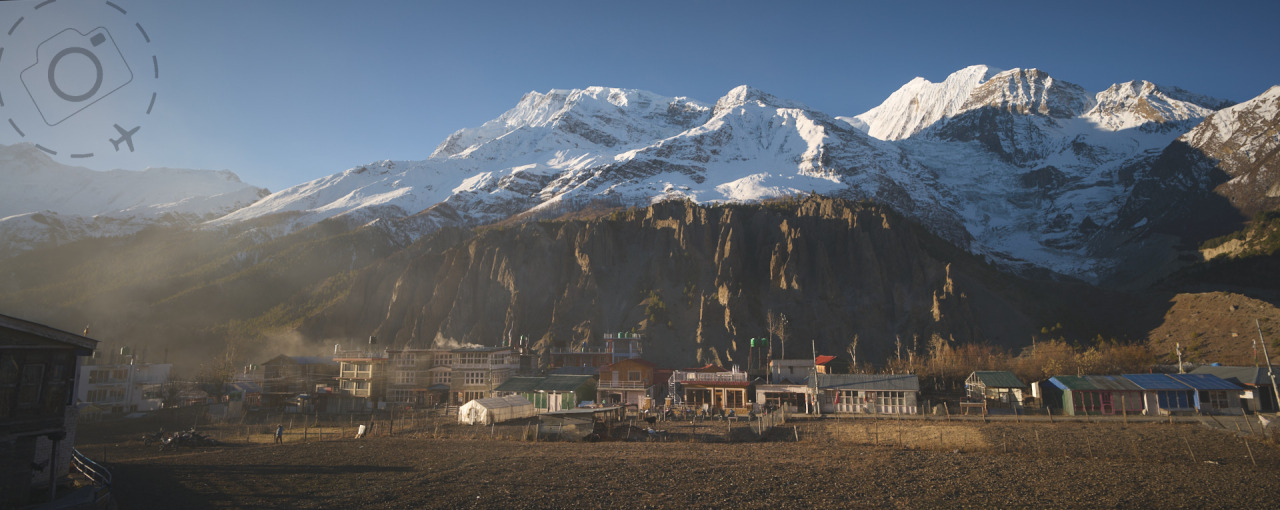
24mm was good enough for me in Manang. I liked being able to capture a few key scenes with superior quality than I would have got with a simple panorama pivoting/panning on the tripod. I like removing the bendy middle section and getting a clean straight result.
You can shoot a stitch with vertical frames to get maximum height in the scene, and end up with slightly less field of view than an 18mm focal length. Or you can apply the shift to horizontal frames and get slight more than the equivalent of 18mm. You get a much more detailed image from the vertical option, and the distant snowy peaks end up taller and more commanding.
That's the result I was looking for in particular. I wanted my snowy peaks to dominate, not be diminished. And shooting at F10, the detail is stunning.
This lens was an easy to give two thumbs from me, and I hope to take it out for some photography in other wintry landscapes soon.
– Ewen
Download Hires Samples
I've made available a couple of hires DNG files captured with the Laowa 24mm F2 Zero-D TS lens in Nepal. These are stitched in Capture One and exported into a DNG file without any additional editing. You can download these and open in your own RAW editor to examine in detail.
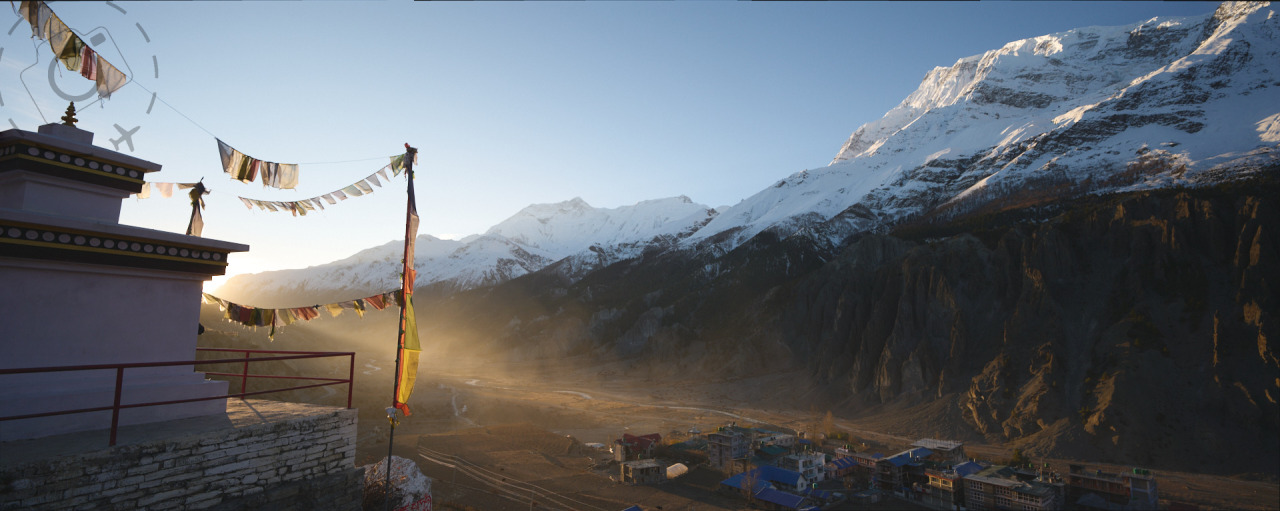
[ Horizontal Captures with 12mm Horizontal Shift = 230MB DNG]
https://ewenbell.com/uploads/laowa/24mmTS/Manang_PEB93558_Panorama_-_Ewen_Bell.dng
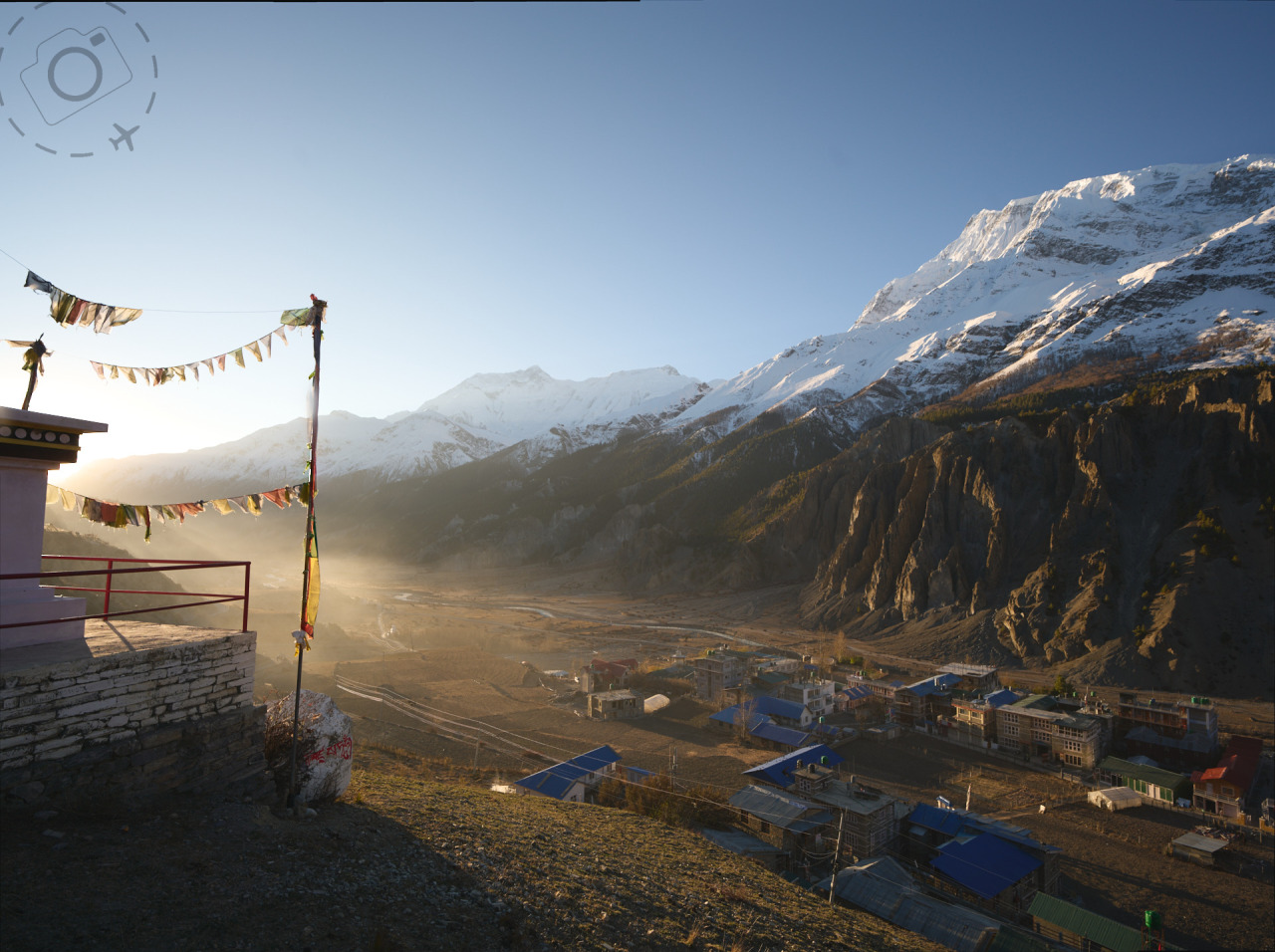
[ Vertical Captures with 12mm Horizontal Shift = 277MB DNG]
https://ewenbell.com/uploads/laowa/24mmTS/Manang_Sunrise_PPS97341_Panorama_-_Ewen_Bell.dng
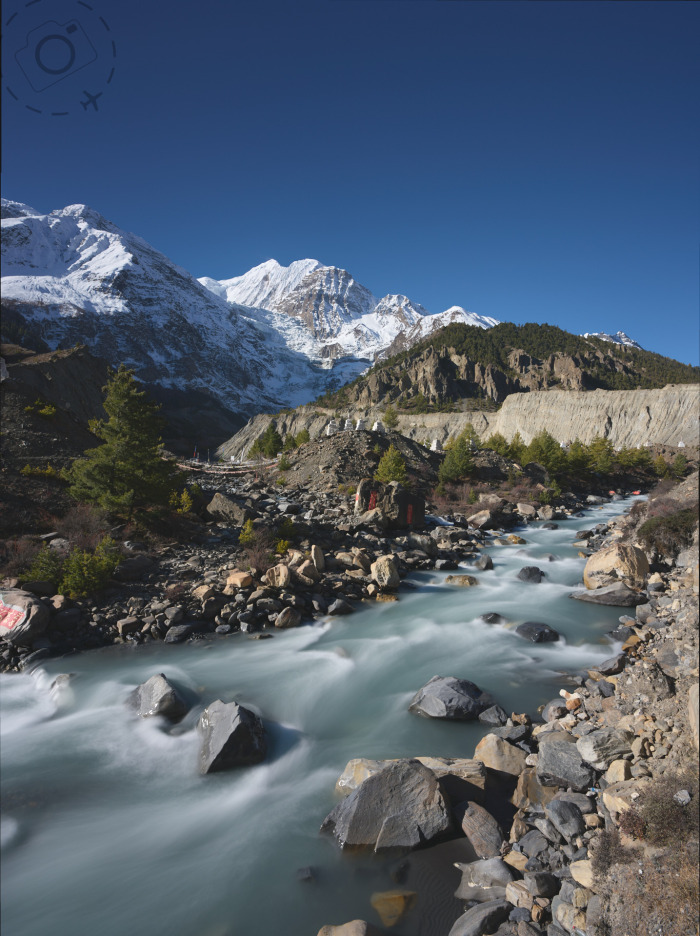
[ Horizontal Captures with 12mm Vertical Shift = 277MB DNG]
https://ewenbell.com/uploads/laowa/24mmTS/Manang_PEB93599_Panorama_-_Ewen_Bell.dng

Keep Reading
Join Ewen's newsletter for monthly updates on new photography articles and tour offers...Subscribe Here